
Why Sourdough?
The oldest way to make bread is still the best.
No commercial yeast. No preservatives. Just the oldest bread-making method there is, done right.
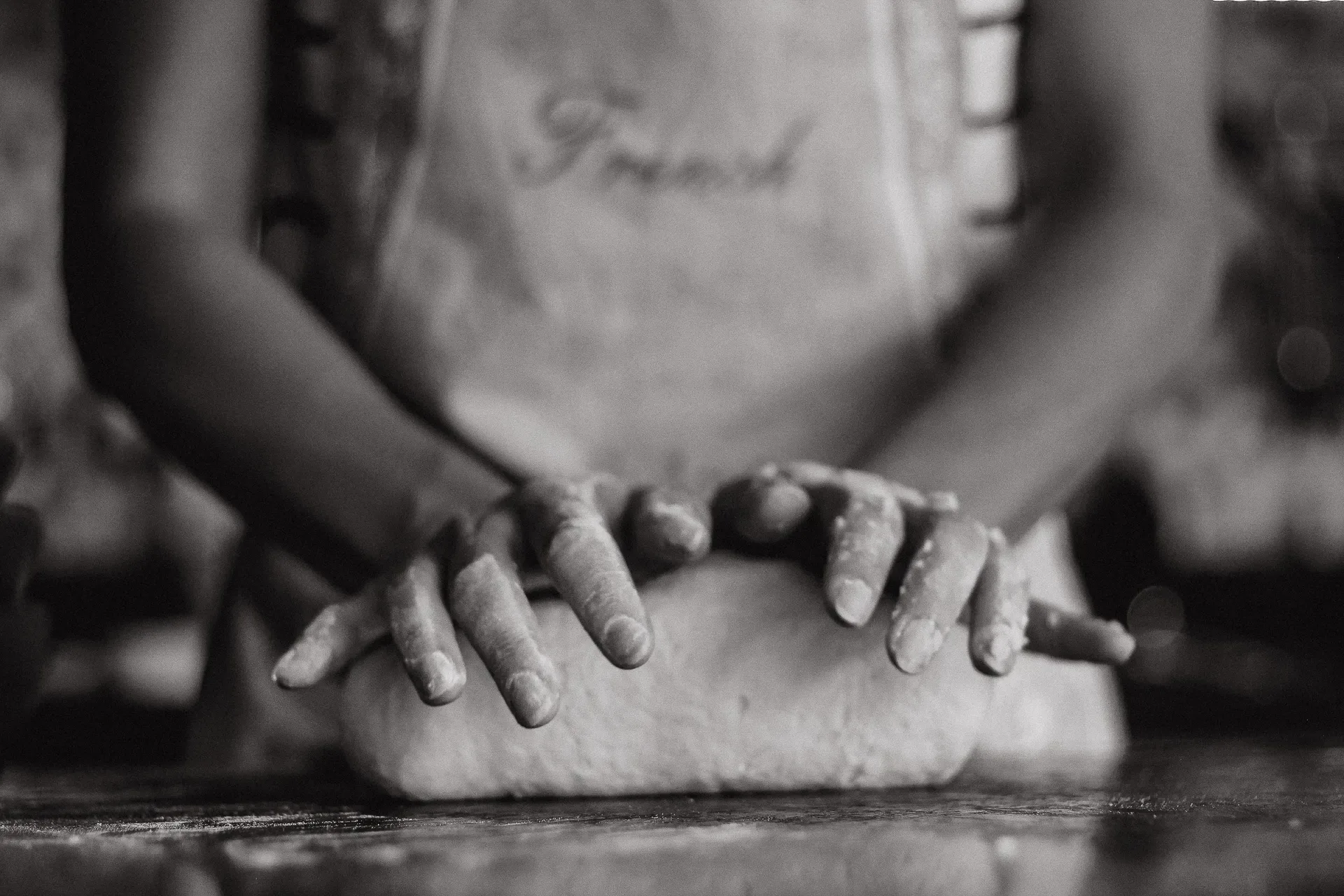
Naturally Fermented
No shortcuts, just time
Every loaf starts with a live sourdough starter — a simple culture of wild yeast and bacteria that's been nurtured, fed, and kept alive rather than swapped out for a sachet of commercial yeast. Left to ferment slowly for over 24 hours, the dough is given the time it needs to develop real depth of flavour, a naturally open crumb, and that unmistakable tang. There are no shortcuts in this process, and no artificial raising agents standing in for what time does on its own. It's the way bread was made for thousands of years before speed became the priority, and it's the reason a proper sourdough loaf tastes like nothing else on the shelf.
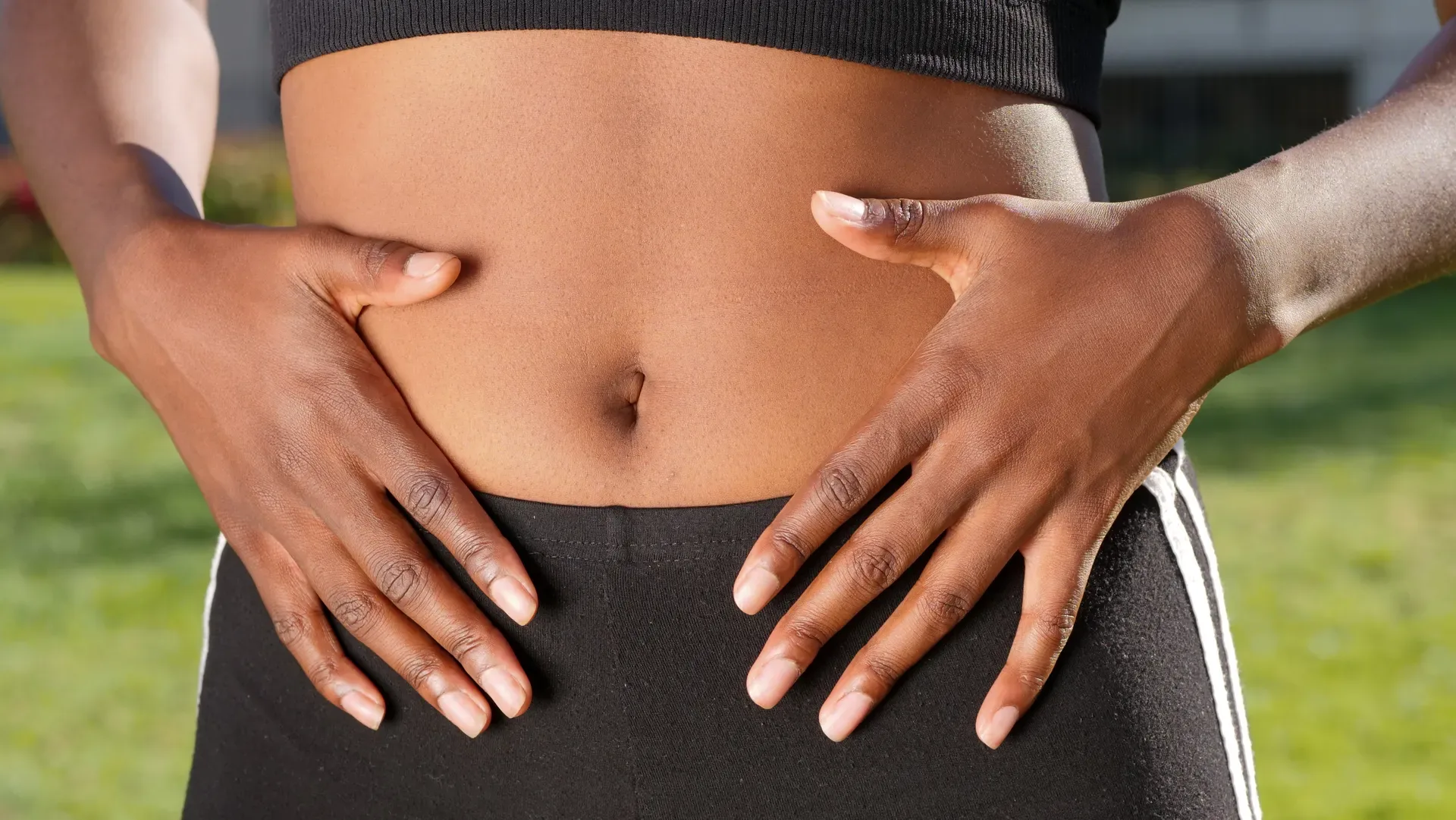
Easier to Digest
Kinder on your gut, by design
The long, slow fermentation that gives sourdough its flavour also works in your favour once it reaches the table. Over those many hours, the natural bacteria and wild yeast break down much of the gluten and phytic acid found in the flour, pre-digesting elements that can otherwise sit heavy or make nutrients harder to absorb. The result is a loaf that's often noticeably gentler on digestion than conventionally made bread, without any compromise on taste, texture, or that satisfying crust. It's a small difference in process that makes a real difference in how your bread makes you feel.